Municipal Election candidates discuss importance of sports & recreation to overall community health
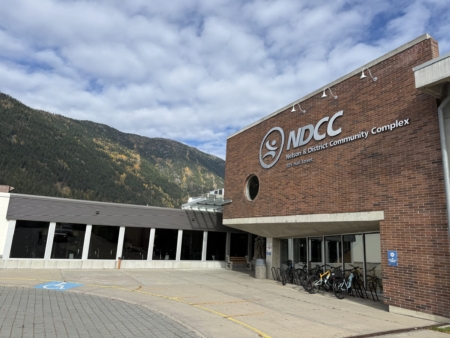
The Nelson & District Chamber of Commerce supports a strong culture of sports and recreation in our region. A healthy, vibrant and active community helps bolster the regional economy.
Nelson Regional Sports Council Shines Spotlight on Issues
Sports and recreation are about more than healthy, active lifestyles — they also play an important role in building a strong local economy. Tournaments, sporting events and recreation opportunities attract visitors, support local businesses and contribute to the quality of life that makes Greater Nelson a great place to live and visit.
The Nelson & District Chamber of Commerce supports a strong culture of sports and recreation in our region. As part of its efforts to boost these vital element of our community, the Nelson Regional Sports Council asked municipal candidates to share their thoughts on the future of sports and recreation in our region by posting two questions:
- As a candidate, what will you do to enhance and build stronger sport and recreation opportunities in our area for both youth and adults?
- What do you consider the number-one issue facing sport and recreation in our region, and once elected how will you work to address this issue?
As voters prepare to make their decision on October 17 about who will lead the community at the municipal level over the next four years, we are pleased to provide the answers to these questions from the candidates who responded to the Nelson Regional Sports Council.
Nelson Mayoral Candidates
Ramona Faust
Question One
Sports and Recreation is a huge part of Nelson’s culture and an economic driver yet it is so diverse that we need a multi- pronged approach. What a impressive number of organizations create so many offerings in our city. I prefer a collaborative form of leadership and would like to meet with the Sports Council to determine the priorities of their members and the gaps they see. I am aware that as Mayor I cant address every need but I can set a precedent for listening and problem solving. I was instrumental in creating the All Recreation Committee at the RDCK to bring regional services together.
I would like to review progress on meeting the goals of the NDCC Recreation Master Plan. What’s working and where are challenges? I believe sport could play a bigger role in economic development and perhaps have an advisory role on the Greater Nelson Economic Development Partnership.
Seeking resources for funding support may be a key function of strengthening this diverse sector.
Question Two
As the former Chair of both the Nelson and District Recreation and the Nelson Salmo E,F,G Parks Commission, I believe funding and facilities including maitenance, availability and scheduling are the top issues for sports organizations . These issues can drain volunteer capacity and affect enrollment. Sports non-profit leadership in Nelson has accomplished so much and it would be great to support that. Affordability for every link in the chain of recreation management and participation has escalated.
I believe we can work effectively with other entities both in Nelson and surrounding areas to solve these issues.
Given that sport is important for both health and economic development I believe the first step is creating or reviewing a list of priority actions and encourage shovel ready projects to embrace appropriate funding calls.
Janice Morrison
Question One
Social infrastructure is essential, it is the fabric that supports vital, healthy and prosperous communities. (For those not familiar with the term social infrastructure – this includes places where people can gather to connect, learn and grow, and includes recreation centres, sports facilities, outdoor trails, etc., along with libraries, museums, and art and cultural spaces.)
This infrastructure drives economic viability and makes communities complete. It also supports residents of all ages and backgrounds to live longer and have more engaged and vital lives. It also is a proven tool to help build safer communities. We are fortunate to already have multiple sport and recreation opportunities available in our region, thanks to so many passionate volunteers, coaches and advocates.
I will continue to lobby government at both the Federal and Provincial level for these much-needed funds to maintain and enhance our indoor and outdoor recreation opportunities, reminding them that social infrastructure investment reduces healthcare costs; and even policing costs are lowered in communities with active youth involved in sports. Social infrastructure also adds to the local economy and livability of our region.
I’ve written previously that recreational/sport opportunities are often a determinant as to whether people relocate or even stay in Nelson.
We need recreational opportunities: to keep us active, stimulate the mind, calm the soul and make us laugh regardless of age or ability.
Question Two
The number one issue is infrastructure. This primarily is a concern facing indoor sport activities. As part of the recent recreation review, the need for more indoor spaces was front and center: basketball, volleyball, indoor soccer, curling, pickleball, and the list goes on. Many of our facilities are aging and need significant infrastructure renewal including the Civic Centre, Civic Arena, and indoor soccer spaces.
We also need to make sure there is a robust asset management plan in place with reserves set aside for the pool ( as it’s 51 years old – built in 1975 renovated in 2016), and the current main rink (built 2005) as these facilities are also aging.
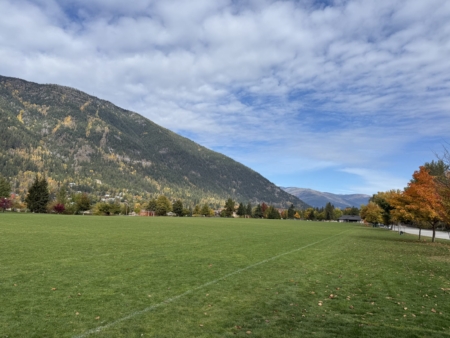
The Lakeside sports fields are a spectacular example of local infrastructure that helps people stay active and enhances the regional economy.
Nelson Council Candidates
Aviva Keely
Question One
I would start by protecting and improving the facilities we already have. As a parent, I have seen firsthand how important dance, gymnastics, skating and other recreational programs are to children and families. I would want to work with the organizations actually using these facilities to understand what they need, what barriers they are facing and where the City can realistically help.
Question Two
For me, the biggest issue is the condition and availability of our existing facilities. This includes the availability of City spaces for tournaments. As a travelling parent of a child in sports, I see that many other towns and cities are set up to accommodate tournaments and competitions much better than we are.
We have already seen programs displaced when buildings are unavailable or need major repairs. I think we need a much stronger focus on maintaining what we already have and planning ahead instead of waiting until facilities reach a crisis point. If elected, I would want clear assessments, realistic timelines and accountability for maintaining these spaces so local programs can plan for the future.
Keith Page
Question One
Keep doing what’s worked, and extend it to the facilities and opportunities that remain under-resourced.
As Chair of the Recreation Commission, I made regular delegations from local sport organizations a standing part of our meetings. Every group has had the chance to come before commissioners, explain what they need and hear directly from the people making decisions. It gives LSOs a regular way to advocate for their organizations and build relationships with local government before a problem or major funding request lands in front of us.
Going forward, we need to:
- Keep the door open. Delegations from sport groups had mostly stopped before I got to the Commission. I brought them back and kept after it, calling groups, lining people up and making sure the agenda slot actually got used. That’s how the Commission hears directly from the sport community now, and I intend to keep doing it.
- Help the groups doing the heavy lifting. Some of the best facility work here has come from organizations that raised money, chased grants and put in the hours, then asked local government to meet them partway. Nelson Soccer Association, the Civic Theatre Society, the work at Queen Elizabeth fields, the Tennis Club, Nelson Hoops at Lakeside and Nelson Pickleball’s advocacy are all examples. At Rec No. 5, we formalized feasibility funding for this kind of work. It paid for looking at a combined curling plant at the complex and for Nelson Soccer’s inflatable dome study. I want groups to have a clear process, straight answers on land and permissions, and a reasonable path to local government support when they’ve done the work to move an idea forward.
- Help hockey grow through consistency. This summer, the RDCK adopted agreements with the Leafs, Rebels and Thundercats using shared language, so the same basic terms apply at all three complexes on allocation, exclusive use, playoff costing and taxpayer-funded benefits. Every agreement used to be negotiated separately. The new approach gives the clubs more certainty and makes it easier to plan beyond a single season.
- Treat sport as economic development. Through Greater Nelson Economic Development, I want to support a sport event and tourism coordinator at the Nelson Kootenay Lake Tourism DMO. A hockey weekend or swim meet uses facilities in more than one town, fills hotels and restaurants across the region and relies on volunteers from several communities. Putting that work at the DMO makes more sense than putting it inside one local government. Right now nobody holds that role, so much of the work falls to club volunteers who already have enough to do.
- Give outdoor recreation better support. Cycling, climbing and paddling account for a big share of recreation here, but the trails, crags and water access behind them are often treated differently from more traditional recreation infrastructure. The clubs that build and maintain them depend heavily on volunteer labour and one-off grants, which makes long-term planning difficult. We need clearer principles around regular support for outdoor recreation and grant programs that actually work for these kinds of facilities.
- Improve allocation rules. The Commission has ordered a review of the Recreation Allocation Policy across RDCK recreation services, due back in early 2027. Our region-wide policy puts non-profit youth ahead of other uses, and the current allocation system moved the district a long way forward. Five years in, we’ve also learned where it needs work. That includes clearer language, a better complaints and appeals process, and more staff discretion where the policy regularly produces conflicts between different users.
- Hire the staff. Aquatics has been running at around 85 percent of 2019 staffing levels, and in 2025 camps were capped with 63 people waitlisted because we couldn’t hire in time. If we can’t hire enough lifeguards and instructors, we can’t run the programs people are asking for.
Question Two
We aren’t getting full use out of all the facilities we already have, while several of those same facilities are reaching the point where they need major renewal and we don’t have a durable way to pay for it.
The long-term campus review brought both problems into focus. The demand we heard most often was for gymnasium space. At the same time, there are existing gyms seeing limited use by relatively small groups because of exclusive legacy arrangements.
Part of the problem is structural. A group can be dealing with three different bodies depending on the facility. Rec Commission No. 5 manages the Community Complex and North Shore Hall and books the soccer and baseball fields. Regional Parks manages Taghum Beach and the Bonnington fields. The City owns and maintains the baseball fields and the fields at Lakeside and Lions parks. It also owns and leases the Nelson Curling Centre, Nelson Soccer Centre, Civic Centre Dance Studio and Mary Hall, which is currently managed by Selkirk College.
For a user group, that can mean dealing with different organizations for maintenance, booking, insurance and approvals, sometimes for facilities being used as part of the same program or season. The same issue exists outdoors. Trails, crags and water access don’t sit neatly within any one service, so we tend to deal with them case by case rather than as part of the overall recreation system.
Then there is the cost of renewal. The Civic Arena roof and rink need to be brought up to code now that the seismic upgrades on the shared support wall are complete. With the associated refurbishment, the figure we’re currently working with is in the range of over $10 million. The Curling Centre has significant structural problems on its eastern wall that are under assessment but likely fatal. Selkirk College is looking to be released from its obligations for Mary Hall, which needs its own renewal. At the same time, work is underway at Morning Mountain and Lions to establish seasonal ice plants with improved rink facilities.
We cannot pay for all of that out of increasing taxation, depleting reserves and sporadic surpluses.
Going forward, we need to:
- Sort out who pays for renewal. We need a funding structure agreed to between the City and our RDCK partners. Without one, we end up dealing with each building separately as the need arises, which makes long-term planning difficult and leaves us having the same funding conversation every time another facility needs major work. Refreshing our master plan, including these challenges, and developing long term financial plans to address
- Watch the school gym rollout. The Commission pushed this issue with the school district and the Province, and the District has now developed a community access policy and online booking portal. I’ll be watching the implementation, particularly the cost to users and whether it results in more actual access for gym sports. If it doesn’t, we need to take that back to the District.
- Create one desk and one process. Liability, insurance and bookings should be handled in one place regardless of who owns the facility, enabled through operating agreements between the City, the RDCK and partners like Selkirk College. The facilities can remain under their existing ownership while we make the process of accessing them much simpler for user groups.
- Reduce financial barriers. We renewed our programming for people who can’t access sport or facilities because of cost. I think the current allotment restricts that benefit more than it needs to because of concerns about program overuse that haven’t been demonstrated. I’d like to relax that language so more families and other users facing financial barriers can participate. Some of the groundwork for this is already done. Last term, we restructured the RDCK’s Community Services department so the three recreation campuses in Nelson, Castlegar and Creston share management. That lets us share resources, develop policy and run build programs across the district instead of each complex doing everything independently. The regional agreements with hockey societies adopted across all three complexes this summer are one early result. We also ran the long-term campus review as a shared engagement between the City and the RDCK. That hadn’t been done before and wasn’t particularly straightforward to organize. Completing surveys were launched on the same day as our engagement. We had two governments with different assets and responsibilities asking the public to look at the recreation system as a whole. The gym access problem was one of the issues that came out of that work.
Kate Tait
Question One
I am a firm believer in the power of sport to bring people together. I also believe that the skills that are learned in sport, whether through team or individual pursuits, are skills that can be used in all aspects of life. Consider the importance of sharing responsibility in different environments at home, work, or other group settings. Knowing when to lead, and when to follow, being accountable for how things turn out, and finding creative ways to reach a common goal are valuable life skills that extend far beyond sport.
Building strong sport and recreation opportunities is how I, as a councillor, can help strengthen these qualities in our community. Thoughtful facility renewal, space optimization, and support for non-profit groups and youth sports organizations, I hope to continue to ensure that sport and recreation remain accessible, vibrant, and beneficial for residents of all ages.
Question Two
We’re facing growing pressures on our existing facilities, aging infrastructure, and limited resources.
That’s why it’s important to work collaboratively with community non-profits, youth sports organizations, and with other partners like the school district and the RDCK to make the most of every opportunity and every dollar invested. My goal is to help ensure that sport and recreation remain accessible, affordable, and vibrant for residents of all ages. As a councillor, I would continue to support thoughtful planning, facility renewal, and strong community partnerships to help ensure sport and recreation remain accessible, affordable, and welcoming for Nelson residents.
Corey Viala
Question One
I have been fortunate to be part of the sports community since moving to Nelson over 44 years ago. Through my own involvement and that of my family, I have seen first hand how much sports can mean to people and to our community.
I have been involved with the Nelson Leafs Hockey Society since 1986, starting as a trainer, and I am now the Society’s president. Our family has billeted more than 50 players over the years. Sports have been a big part of our lives, and I would like others to have those same opportunities.
If elected, I would work with local sports groups and recreation providers to find out what they need and where I can help. That includes supporting the facilities and programs we already have and looking at opportunities for both youth and adults to get involved. I know how much work volunteers put into keeping these programs going, and I would work with them to help our local sports and recreation programs continue to grow.
Question Two
I believe affordability is the biggest issue. For many families, it is a challenge to find room in the budget for sports and recreation. It is not just registration fees, but equipment and travel as well. Having raised two children who were active in sports, I understand how quickly those costs add up.
Through my involvement with the Nelson Leafs, I have seen how much help programs like KidSport and the Everest Legacy Fund can provide. That support can make a real difference to a young athlete and their family.
If elected, I would work with local organizations to look at ways to keep participation affordable and help people find the financial assistance available to them. I would also support affordable recreation programs for adults. I want people of all ages to have the chance to take part, and cost is something we need to work together to address.
Jesse Woodward
Question One
Sports and recreation are a vital and important component of our community especially for youth in this world of dominating effects of technology, smart phones and social media. Though there are always ways to enhance sports and rec in our town I have witnessed many improvements over my two terms on Council such as investments into facilitates for baseball, tennis, outdoor basketball, pickle ball, lawn bowling, soccer, indoor climbing space, gymnastic space to just name a few examples. I will continue if reelected, as I always have over the last two terms, to support and promote sports and rec in Nelson and the surrounding region within the many competing needs and budgetary pressures that City Council faces on a yearly basis. Some of these cost pressure like public safety and emergency services, infrastructure renewal and replacement, City operations and staffing pressures, accelerating costs of new construction and materials to just name a few items, continue to escalate and grow more complex with each passing year. This all comes to bare at the yearly budgetary period at the City and City Council must weigh all these competing needs and find a way to fairly, sustainably and equitably fund all aspects of the City with fair and equitably taxation levels and use of available granting streams. Due to Nelson’s deep sports and rec history and wide and varied community engagement in this sector I have witness at the Council table a strong effort by Council to find innovative and efficient ways to fund and develop our local sports and rec for now and for future generations to come.
Question Two
I see cost pressures for getting involved or being involved in sports and rec as a challenging issues as well as cost of maintain sports and rec facilities over time as also a big challenge for both users and the City alike. With the affordability crisis and housing needs crisis weighing heavily on all citizens across Canada and around the world, sports and rec can sometimes feel like a luxury that can be only afforded to those who are well off and have disposable income. On the other hand, sports and rec are critical for the health and well being of any population so finding innovative and efficient ways to enable sports and rec to thrive and flourish is also vitally important for any community including, of course, Nelson. I see Nelson striving and succeeding to achieve a good balance of investment in sports and rec as well as good balance and investments in all of the other sectors of our town. We have a wonderfully diverse community here in Nelson with people who have deep passions and laser focus in the many sectors and areas of our community and sport and rec is right there improving and developing itself, with the help of the City and the RDCK, year over year. I am excited to imagine and witness all the different possibilities for sports and rec in the near future and, if reelected, I look forward to being part of the process of helping to develop this dynamic and important sector of our community.
RDCK Area E Candidates
Erin Fitchett
Question One
I would like to work with the many sports groups in our area to hear about their successes, challenges, and what they need to continue growing.
I would continue to make grants available to support local sports and recreation groups and encourage organizations to host tournaments and competitions in our area. These events can bring people into our communities, support local businesses, and create more opportunities for residents to participate.
I also believe there is an opportunity for groups to work more closely with Castlegar to explore ways to create more sporting and recreational events for people in our area. By working together, we may be able to build on the resources and share facilities we already have.
Question Two
I believe one of the biggest challenges facing sport and recreation in our region is having enough opportunities, facilities, and financial support for the many groups that serve our communities.
Our local sports and recreation organizations do a tremendous amount of work, often with volunteers giving their time to keep programs running. I believe it is important that we listen to these groups and understand the challenges they are facing.
If elected, I will work with our local sports and recreation organizations to identify the priorities and take the time to understand the recreation budgets in detail, ask questions, and look for opportunities to find savings while still maintaining the services our communities rely on. I would also want to make sure that policies around the allocation of pool time and ice time are fair, transparent, to make good use of the facilities we have.
Landon Veregin
Question One
As an area director, focusing on providing access to more recreation would be my goal. That would present itself in many different ways. From ensuring availability of public transportation by supporting the creation and maintenance of bus lines and drivers — a major concern for much of Area E — continuing to improve upon the Balfour Recreation Commission and helping residents access grants, funding and support from local Non-Profits like the Everest Legacy Fund. Through these measures I would be able to further support Area E residents in accessing sports and recreation.
Question Two
I think I may have touched on my major concerns in the first question. For me it’s transportation and affordability. Especially for organised youth sport such as hockey and soccer, timing of practices and games makes it very difficult for parents and guardians to ensure safe reliable transportation to and from events. Ensuring the number 10 bus on the North Shore and Route 14 for Blewett are properly nurtured would be a main focus. As for affordability, many local Non-Profits as well as the LSOs themselves offer funding for families that have limited disposable income for such activities. Many times these funds fly under the radar or perhaps are considered unavailable to “me” due to misunderstandings. I would help bring these funds to light and provide better access through RDCK publications.
Available support for adults and seniors with limited financial resources should be a focus as well however in my mind, the priority should be with the youth.
Learn more about the Nelson & District Chamber of Commerce here.