What is the number-one issue currently facing small and medium sized businesses?
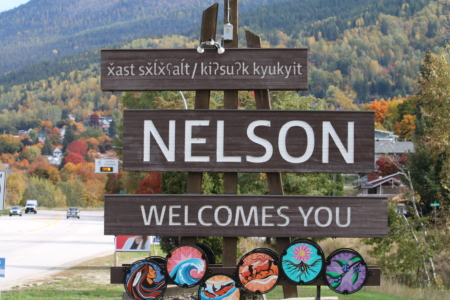
In our second question to candidates in the 2026 municipal election, we ask about the number-one issue currently facing small and medium-sized businesses in Greater Nelson and what local government can do about it?
Can Local Government Help Businesses Be More Successful?
In an effort to dig a little deeper on what candidates in the municipal government election race are thinking about when it comes to the Greater Nelson business community, we asked them to answer two questions. Below the answers to the first question posed by the Nelson & District Chamber of Commerce.
In your view, what is the number-one issue currently facing small and medium-sized businesses in Greater Nelson, and what can local government do about it?
Take time to read through the different ideas below as you get set to make your decisions on Election Day.
Voters can cast their ballots on Wednesday, October 14 at City Hall on the second floor of the Council Chambers. Voting can be done from 8 a.m. to 8 p.m. General voting day will take place at the Prestige Lakeside Resort & Convention Centre (701 Lakeside Drive) from 8 a.m. and 8 p.m. on Saturday, October 17.
Nelson Mayor
Ramona Faust
An overriding issue is shortened or unpredictable high seasons with smoke and/or fire affecting tourism and low snow making winter sports unpredictable. We need a strategy to reinvent ourselves given climate change.

Mayoral candidate Ramona Faust
International marketing as well as stay-cation approaches are needed more than ever. Our regional shoppers can feel slighted by unwelcomibg headlines so burying animosity is key.
Supply chain issues given global insecurity are difficult I am sure coupled by fuel costs.
Our social issues are also top of everyone’s mind.
This is a housing and social services gap. If we had a day center then no loitering enforcement might be successful. With no where to move people to its an uphill battle.
Working relentlessly shelter providers and police would be my priority. It may be to downtown’s advantage to have a center like The Hub operating daily to take pressure off of downtown. Placement is an issue.
I don’t know about the reality of increasing nightly police patrols in the downtown core is but with repetitive break-ins in the past I believe we need a deterrent if we have a full compliment of police.
Janice Morrison
Local small/medium businesses repeatedly report the number one issue is the cumulative cost of doing business. Operational costs are escalating, labour shortages and housing shortages continue and then there is sector specific concerns, for example in the tourism/hospitality sector, the effect of severe weather events.
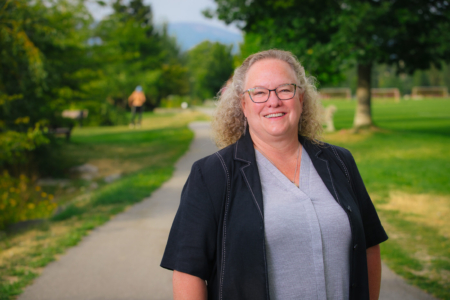
Mayoral candidate Janice Morrison
Let’s look at these separately. The Cost of doing business continues to climb – lease rates, insurance, procurement, tariffs, utilizes costs, municipal taxes. and supply chain issues. Many of these issues are outside the control of local government but there are some that local governments can have influence over.
Labour shortages. The city, as part of the Greater Nelson economic development partnership, has lobbied both senior levels of government regarding the effect changes in immigration have had in rural communities regarding the available of workers and skilled professionals/trades. We also continue to ask for more stable funding of the RCIP program. I spoke (again) to ministry staff at UBCM regarding these issues and this work needs to be continued.
Housing. We need to shift our focus towards affordable workforce/family housing. There is need for more 2- and 3-bedroom rentals units. The city has been an active partner in the Railtown Flats project, and I look forward to this coming on stream in late 2027. Along with housing, we need to continue our advocacy efforts in the childcare sector so that parents who wish to can participate fully in the work force.
As Nelson Hydro moves to Advanced Metering (AMI) it is feasible that we can do demand pricing or tiered rates/peak use rebates that could benefit commercial customers
As we renew aging utility infrastructure, fewer critical incidents and failures should occur and therefore mitigate potential expensive commercial disruptions.
We can also review procurement and tender policies to consider scoring matrixes that score higher if the work/product is sourced locally.
Nelson Council
Devon Caron
In my view, the number-one issue is affordability. It affects the cost of running a business, the ability to find and keep staff, and how much customers have left to spend.
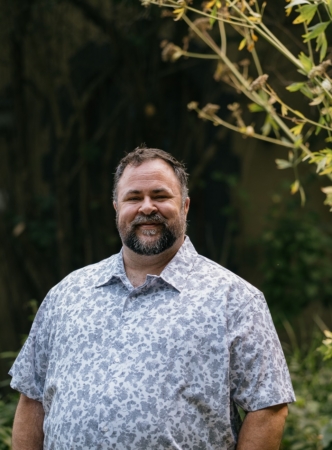
City council candidate Devon Caron
Council needs to start with the costs it directly influences, including property taxes, utility rates and permit fees. I would ask what increases are paying for, whether there are more efficient ways to deliver services, and how decisions will affect businesses and residents. We need to fund dependable services and maintain our infrastructure, while being thoughtful about the financial pressure those costs place on the community.
Housing affordability is also part of supporting the local economy. When workers cannot afford to live in Nelson, businesses have a harder time filling positions and retaining experienced employees. I would support a range of housing types, including rental and non-market housing, so people at different income levels have more opportunities to live where they work. We also need to plan the infrastructure required to support that housing.
Reliable transit is another part of affordability. Being able to get to work without needing a car can make a meaningful difference to a household budget and give employers access to a wider pool of workers.
When households are stretched by housing, groceries and other essentials, there is less money available to spend locally. Business owners face many of those same pressures themselves.
For me, supporting local businesses means supporting the people who own them, work in them and shop in them. Their ability to afford a life here is tied to the health of our local economy.
Ainsleah Hastings

City council candidate Ainsleah Hastings
I think the biggest issue is affordability – for businesses and for their workers.
Businesses are facing rising costs across the board, while workers are struggling with housing, food, transportation and child care. The City can’t control all of that, but we can use the tools we have: keep municipal costs predictable, support housing and transportation, buy locally, remove barriers where we can, and advocate to senior governments.
A healthy local economy needs both businesses and workers to be able to afford to stay here.
David Johnston

Council candidate David Johnston
In conversations with local businesses I have heard that the rising costs of a lease, increasing wages, the cost of materials and the shortage of housing for employees are shared by everyone.
The best way to address these issues is to encourage a robust and accommodating environment for independent businesses to operate and grow.
All these challenges can best be met by increasing the volume of sales and profits. The Chamber of Commerce is meeting the increasing demand for employee housing by building more employee housing in Railtown.
Aviva Keely
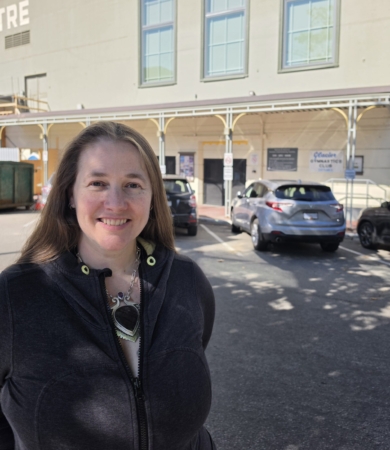
Council candidate Aviva Keely
In my opinion, the rising cost of labour and the lack of qualified staff is one of the biggest issues facing local businesses.
With every other cost also increasing, it becomes harder for small businesses to continue paying above minimum wage, especially when some of us employ 15–20 people or more.
The City cannot control wages, but it can help with the things that make staffing harder. This includes, housing availability, transportation, parking, business fees and unnecessary red tape. Nelson’s own housing report says local employers consistently identify housing affordability and availability as a major barrier to recruiting and retaining staff.
Keith Page
Workforce. Owners can’t find staff, and staff can’t find housing or childcare.
Council can keep working with our non-profit sector to build the purpose-built rental housing we desperately need. The withdrawal of Community Housing Fund money has created real barriers, but other options exist and are being tested across the region.
We need to keep supporting that work. We can also treat childcare as part of our economic infrastructure. I’ve been working with our shared childcare committee on a regional plan for building both the facilities and the skilled workforce and operators needed to run them.
At council we can support this work through our budget allocations.
Ian Parfitt
The number one issue in my view is the affordability crisis we are all experiencing after several years of high inflation. The City has few levers to affect the overall inflation picture; the main ones are the taxes and fees charged.

Council candidate Ian Parfitt
Rather than passing on costs to future residents as was done in the past, Nelson has decided to add a capital levy to water, waste and sewer infrastructure upgrades and a 1% property tax increase for building upkeep or replacement over the next four years. I support these decisions but it does increase costs over the short term.
The challenge for the City and for local business is the same: find ways to reduce costs without reducing services. Grants are important as well and the City has received major grants for infrastructure and building projects. Council needs to help find grant opportunities, and will have to carefully monitor the community’s business health to ensure that they can survive and thrive with these planned cost spikes. New non-essential projects will have to be cost neutral over the next four years as we direct efforts to catching up with infrastructure and building deficits.
I will also lobby the provincial government to make permanent its’ reversal of expanding PST to services and support federal government policy changes to how capital expenditures can be deducted.
The province has only paused the PST expansion to services that was set to come into affect on Oct 1. That makes the pause appear to be an election tactic rather than a decision not to increase the cost of doing business for service companies.
The federal government’s new policy to allow 100% deduction of 65% of capital costs can help businesses that need to purchase new computers and other equipment.
Leslie Payne
The one key area where local government can create a shift is municipal taxation.
Commercial properties (Class 6 – Business and Other) are subject to a municipal property tax multiplier.
Do you feel that Nelson’s multiplier is too high? What are other communities charging like ours? Do we need a shift? Bring the data. Let’s have that conversation.
Jess Phillips
In my view, the number-one issue is the cost of living here, particularly housing, and what that means for a stable local workforce.

Council candidate Jess Phillips
When people cannot find a home they can afford, businesses have a harder time attracting and keeping employees. Workers may face long commutes or leave the community altogether. Families struggling with housing and child care also have less money to spend at local businesses. Those pressures are connected.
I want Nelson to be a place where local businesses can thrive, and people can afford to live and work.
Local government has a meaningful role through land-use decisions, permitting, infrastructure planning and partnerships. I would support more homes of different kinds, with particular attention to purpose-built two- and three-bedroom rentals that give families a more secure place to live. I would also support clear approval processes and work with housing providers, senior governments and regional partners to help move suitable projects forward.
Child care belongs in that conversation too. I would encourage the City to work with providers to identify suitable spaces and address local barriers to creating more child care.
The City cannot solve every cost pressure a business faces. But helping people build a stable life here is one of the strongest contributions it can make to a healthy business community.
Martin Stegman
I think the cumulative impact of rising costs and regulatory burdens is the number one issue facing small and medium-sized businesses today.

Council candidate Martin Stegman
In addition to the “operating costs” that individuals pay (rent, income taxes, utilities, etc.), businesses have many other requirements such as payroll taxes, licenses, permits, etc. In recent years, these regulatory burdens have increased substantially – both in terms of total cost and the total number of regulatory requirements.
Trying to stay on top of everything can divert significant energy and resources from business owners, preventing them from focusing on the things they should be – investing and growing their businesses and keeping their employees and customers happy.
Local governments are in direct control of some of these costs and regulations and therefore we should take a critical eye towards them to determine whether they a.) are necessary; and b.) could be done in a more efficient way.
Local governments also have a responsibility to work with other municipalities to highlight issues of common concern to the provincial government and advocate for change.
Kate Tait
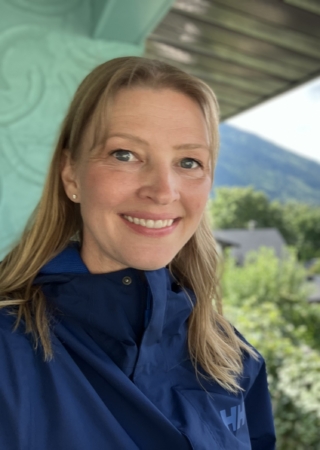
Council candidate Kate Tait
What I am hearing is that there are cost pressures on every aspect of businesses From insurance and wages, supplies and transportation, to utilities and taxes, the cost of doing business continues to rise.
Property tax increases are part of that reality. While those revenues help the City provide essential services that businesses rely on, it’s important that we ensure taxpayers are seeing value from those investments. City Council has a responsibility to look for ways to ease the pressure wherever possible.
City services such as maintaining roads and infrastructure, supporting public safety, and investing in improvements to public spaces, create a vibrant welcoming community for workers, employers and visitors alike. Strong municipal services are part of what makes Nelson a great place to live and do business. I’m optimistic about the future because Greater Nelson has innovative entrepreneurs and a strong sense of community.
Corey Viala
I believe the biggest issue is the rising cost of doing business. The Greater Nelson Business Walk found that 65 percent of the businesses surveyed identified operating costs as their biggest concern. This includes wages, materials, taxes, insurance and utilities. At the same time, many customers have less money to spend.
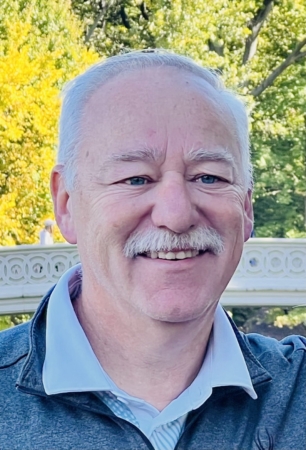
Council candidate Corey Viala
The City cannot control interest rates, insurance or the cost of supplies. It can be responsible with its own budget and make sure businesses are not dealing with unnecessary costs and delays from the City. We also need more housing for workers, a downtown that is safe, clean and easy to get to, and local events and tourism that bring people into our stores and restaurants.
I would like Council to meet with people from different parts of the business community during the first year. Retail, restaurants, construction, tourism, professional services and home based businesses may all have different concerns. We need to hear those concerns directly and decide which ones the City can realistically address. I will not promise that the City can fix everything, but I will listen, ask questions and consider how Council decisions will affect the people trying to operate a business in Nelson.
Jesse Woodward

Council candidate Jesse Woodward
As the City rep for the Nelson & District Chamber of Commerce board I have heard clearly levels of City taxation is challenging for Nelson businesses.
On the City side of things, the struggle is that there is a huge amount of infrastructure repair and upgrades that needs to happen over the next 5 to 10 years plus the rising cost of City operations and emergency services. As Nelson does not have an industrial tax base it relies on business and property owner taxation and grants plus its own capital reserves to cover much of its costs of operations.
To lower the tax burden the City could try to cut its own cost of doing business and reduce levels of some services. It could also reduce the number of buildings it owns and maintains. These actions would have effects on the Nelson community as a whole and that would have to be considered. The City could also work to bring in more business and tourism to generate business revenue and make the City more friendly to business investment and development.
Another pathway could be to have the newly elected Council direct staff to work up a report on what the City could do to offset the business tax burden through innovative and novel solutions.
RDCK Area E
Erin Fitchett
The cost of doing business is the main concern for many small and medium-sized businesses. Local government needs to be conscious of the cumulative impact of taxes, fees, regulations and approval processes. If elected, one of my priorities would be to make sure we are not creating unnecessary barriers for businesses. That means looking carefully at new regulations before they are introduced, asking whether they are really needed, and considering the cost and administrative burden they may place on small businesses.

Area E candidate Erin Fitchett
I would also support efforts to make permitting and development processes clearer, more predictable and as efficient as possible. Businesses should be able to understand what is required of them and have reasonable timelines for decisions.
Greater Nelson Economic Development partnership already brings together the City of Nelson, RDCK Areas E and F, the Nelson & District Chamber of Commerce and Community Futures Central Kootenay. I am currently serving on the Advisory Committee for GNED and would continue working through that partnership to hear directly from local businesses, identify barriers and pursue practical solutions.
Housing is also an economic issue. Employers need workers, and workers need somewhere they can afford to live. I would continue supporting regional discussions around workforce and rental housing and look for opportunities where local government can help remove barriers or advocate for senior-government support.
Finally, I think local government needs to remember that every increase in taxes, fees or regulatory requirements eventually affects residents and businesses. I would approach those decisions carefully and continue asking a simple question: what will this cost, and is the benefit worth it?
Small business is a major part of the character and economy of our rural communities. My goal would be to make it easier not harder for people to start a business, grow a business and continue doing business in Greater Nelson.
Landon Veregin

Area E candidate Landon Veregin
The number-one issue is the cumulative cost squeeze driven by workforce shortages linked directly to housing non-affordability, paired with increasing operational expenses. Businesses cannot grow or stay open when employees cannot find homes.
Local government must take two concrete actions:
- Enable Workforce Housing: Accelerate housing density reform, streamline development permits, and partner with regional non-profits and the Chamber to fast-track purpose-built workforce housing across Area E and Greater Nelson.
- Direct Funding & Targeted Business Incentives: Leverage RDCK economic development programs to secure funding for local workforce recruitment and employee education, while exploring tax relief and incentive mechanisms for responsible, community-minded businesses that invest directly in local talent and sustainable operations.
By unlocking housing solutions and actively championing targeted financial support for our business community, local leadership can foster a resilient, thriving regional economy.
Learn more about the Nelson & District Chamber of Commerce here.