How would municipal government candidates help create a stronger business community?
Candidates were asked to share their thoughts on how to reduce the cost of business and what can be done by the City of Nelson to help ease the burden.
Read What Candidates Will Work On After Election Day
In an effort to dig a little deeper on what candidates in the municipal government election race are thinking about when it comes to the Greater Nelson business community, we asked them to answer two questions. Below the answers to the first question posed by the Nelson & District Chamber of Commerce.
The cost of doing business is challenging for many small and medium-sized businesses. If elected, what specific actions would you take at the local government level over the next four years to help reduce costs, remove barriers and create a stronger business environment in Greater Nelson?
Take time to read through the different ideas below as you get set to make your decisions on Election Day.
Voters can cast their ballots on Wednesday, October 14 at City Hall on the second floor of the Council Chambers. Voting can be done from 8 a.m. to 8 p.m. General voting day will take place at the Prestige Lakeside Resort & Convention Centre (701 Lakeside Drive) from 8 a.m. and 8 p.m. on Saturday, October 17.
Nelson Mayor
Ramona Faust
Both Castlegar and Trail are reviewing their commercial tax rate. Castlegar’s is 30%. Nelson’s is at 24%. Trail is entirely different with Teck trying to move away from 60% tax support.
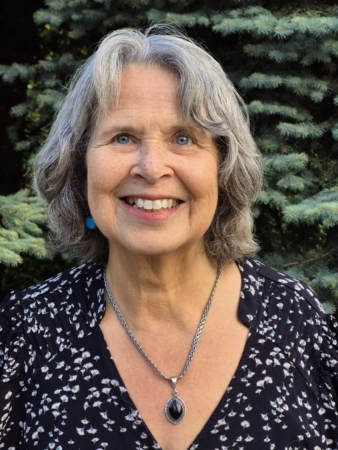
Mayoral candidate Ramona Faust
Any tax relief for business in Nelson would result in higher residential tax which will be challenged by the infrastructure deficit as well. I would like to brainstorm with the business community on their ideas.
Hydro charges for business need review. It’s been on a to do list for quite a while. Business rates here should be on par with other small cities. At this point usage rates are more expensive in Nelson than Castlegar. Together with higher taxation we are at a regional disadvantage for business attraction. Add parking issues and its interesting.
In a general sense I want to review procurement and contracting for major infrastructure projects. With bids in recent projects seeing cost overruns and the taxpayers picking up the tab we need to get a handle on costs with so much more infrastructure work coming forward.
I would want staff focused on grant prospecting to cut pressure on taxpayers.
Specifically I would like a ramped up business attraction program designed to increase revenue and fill empty stores.
Perhaps a parking token program for customers who purchase could be considered. It’s trivial but we need a way to make shoppers feel seen.
Janice Morrison
Many of the (escalating) costs that small and medium businesses are facing are out of direct control of local government.
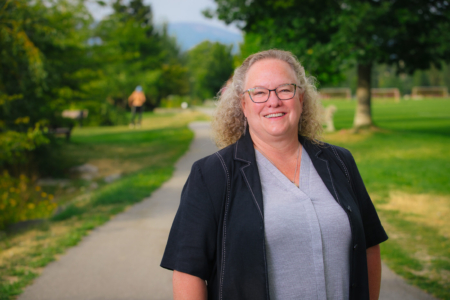
Mayoral candidate Janice Morrison
What we do control is property taxation: Under the Community Charter the council can alter the relative tax burden or multipliers between residential and commercial sectors though changes just shift the tax load between the classes. In Nelson the ratio has historically been 25% of the tax is commercial and 75% is residential. It’s catch 22 because shifting the tax burden to residents’ risk changing the disposable income of the residents who support our local restaurants/ retail outlets and other commercial endeavors. So while this is a possibility, changing the ratio, it could have significant unintended consequences.
We have just recently streamlined the Business Licensing bylaw and received positive feedback from the Canadian Federation of Independent Business (CFIB). The new bylaw consolidates fee categories and clarifies business descriptions/wording. The city, through the development services department, continues to look at ways to decrease the regulatory burden/permitting cost/wait times for renovations, tenant improvements and larger commercial development.
The city needs to continue to work with its partners – the Nelson Chamber of Commerce (C of C) and Greater Nelson Economic Development partner (GNED) and affiliates like Nelson Kootenay Lake Tourism (NKLT). We need to listen to the subject matter experts – the businesses – and use data driven metrics to ensure any policy changes show tangible results.
We can continue to make sure our historic downtown core remains vibrant and welcoming. Clean streets, flower baskets, patios, sidewalk maintenance, snow removal, and seasonal lighting. Visitors and residents alike should feel safe on our streets and in our parks and amenity areas. The foot patrols, our CSO and bylaw team all play a role as well as our social service agencies and street outreach team.
Nelson Council
Devon Caron
I would focus on three areas: practical permit processes, reliable transit and proactive infrastructure planning.
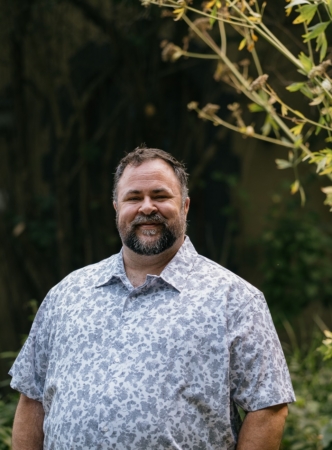
City council candidate Devon Caron
First, I would work with City staff and local businesses to understand where permit processes create unnecessary costs or delays. Requirements should be clear, information should be easy to find, and businesses should know what to expect when they apply. For markets, events and activities in public spaces, I would support a practical approach that makes it easy to bring people together and generate business locally.
Second, we need transit that fits people’s lives and working hours. When employees cannot get to an early shift or get home after an evening shift, that creates a barrier for both workers and employers. More frequent service, better evening service and Sunday service would give employees and customers more reliable options. I would advocate for those improvements with our regional partners and BC Transit.
Third, businesses need dependable infrastructure. Water, sewer and roads need to be maintained and upgraded before known problems become emergencies. I would push for long-term planning that keeps infrastructure investment connected to growth, alongside clear communication about construction and service disruptions. Businesses need enough notice to plan around work that affects access, deliveries or daily operations.
In all three areas, I would start by listening to the people using these services, including business owners, employees and City staff. Their experience can help identify where a change would make a practical difference and where we should focus our resources over the next four years.
Ainsleah Hastings
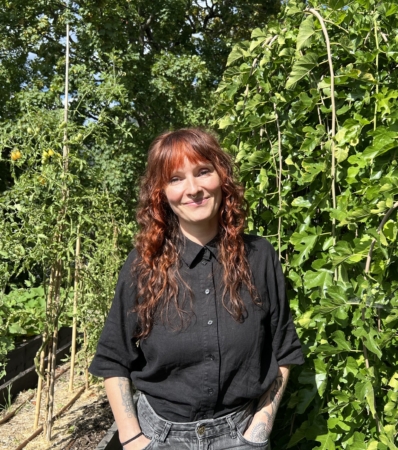
City council candidate Ainsleah Hastings
I’d focus on what the City can actually control: keeping costs as predictable as possible, looking for efficiencies, going after outside funding, removing unnecessary barriers, and buying locally whenever we can.
I’d also explore ways to make commercial taxation fairer for smaller businesses. Supporting local business also means making sure the people who keep those businesses running can afford to live here. Housing, transit and child care are economic development. When workers can build a life here, businesses can find and keep staff, and our whole local economy is stronger.
David Johnston

Council candidate David Johnston
I’m not sure what city council can do about lowering the costs of doing business as many of the issues small businesses face are created in Ottawa and Victoria as the result of bad legislation.
However, I believe the city should focus on providing reliable affordable electricity, improving the water and sewer system, plowing snow and keeping the streets safe for the 65k residents that travel to Nelson for shopping, banking, access to government services, medical appointments and entertainment.
Also, the city should refrain from the introduction of “Calming measures” and any other policy that would reduce the amount of parking downtown and encourage the local economy to continue growing. One example of an issue I would support is removing the ban on outdoor propane heaters on outdoor restaurant patios.
Aviva Keely
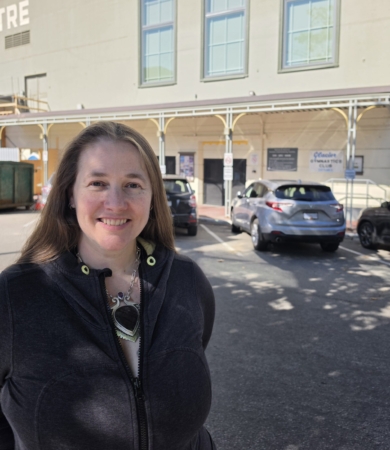
Council candidate Aviva Keely
The City cannot control every rising cost local businesses face, but it can control some of them.
I would start by reviewing City spending and staffing before increasing taxes, Hydro rates or fees. I would also look at reducing unnecessary red tape, improving permitting, protecting practical parking options for employees and customers, and making sure local businesses are considered when City decisions are made.
Nelson has a limited industrial tax base, so we have to be especially careful not to keep putting more pressure on small local businesses.
Keith Page
I’ve run my shop downtown since 2012, and the ground has shifted a lot in that time. Our winters are shrinking, our summers are often smoky, and fall and spring matter more every year. Wages can’t keep up with housing, and many mom-and-pop businesses are retiring with no succession plan. On our business walks we heard about lease rates, regulatory complexity, rising supply costs and paperwork fatigue. I deal with all of those in my own operation.
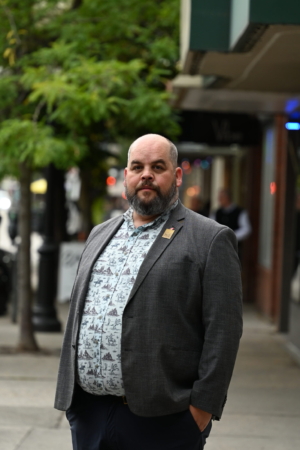
Council candidate Keith Page
Last term we reduced and rebalanced fees, simplified business licensing categories and moved the process online, work the Canadian Taxpayers Federation recognized this year. Council also relaxed zoning so owners have more flexibility to open the businesses they see a need for, and I want to keep going in line with our updated Official Community Plan.
Next, through the Greater Nelson Economic Development Partnership, we’ve commissioned a review of the commercial and residential rental market to understand what’s keeping vacant spaces off the market. More available space means more options for businesses as they start and grow.
Our industrial and commercial hydro rates are overdue for review. If the BCUC approves Nelson Hydro’s Advanced Metering Infrastructure project, net metering and time-of-day rates become possible. That opens the door to a rate structure that attracts quality employers and spreads the commercial tax and rate burden more broadly.
Local government’s own costs are also rising faster than commercial and industrial indexes, as private equity consolidates the software and contractors we rely on. With the support of council and the RDCK board, I’ve put forward three resolutions, including asking UBCM to study the problem and find ways to restore competition. Every dollar we don’t overspend is a dollar we don’t have to collect from taxpayers and businesses.
Ian Parfitt
The main City of Nelson costs for small and medium-sized businesses are commercial property taxes or lease costs; water, sewer and waste fees; and business license costs.
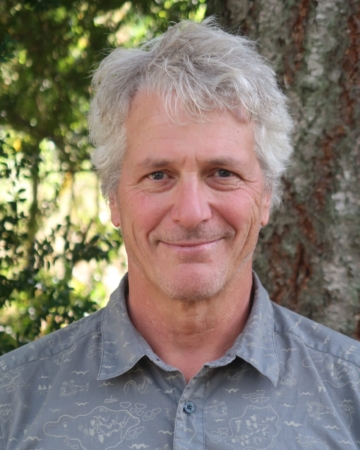
Council candidate Ian Parfitt
The City is in the process of updating its Business License Fees bylaw and the current plan is for little change to the fees. Commercial property taxes on the other hand rose 7.75% this year and planned increases are 9% for 2027, 7.5% for 2028 and 2029, and 5.5% for 2030. That means that commercial taxes will increase on average by nearly a third over the coming Council term. Leases set to renew over this period are likely to see significant increases as well. Water, sewer and waste fees are expected to rise at a similar level (around 30%) over the next 4 years.
I will look carefully at all City costs to see where savings are possible so that tax increases can be kept to a minimum, and also support efforts to find grants to cover some of the infrastructure and facility costs. While at Selkirk College I worked with in partnership with businesses, communities and non-profit organizations to develop grant proposals that were funded by federal and provincial agencies.
The City is also planning major infrastructure work along Baker street. I will bring a project management lens to a review of plans for this work and look for opportunities to compress the timeline, perhaps by working extended hours, and to ensure that the timing does not coincide with peak tourist seasons or other especially busy periods downtown. As key stakeholders, business engagement will be critical when planning this work.
Leslie Payne
Based on conversations I have had, I would say staffing, housing, wages, tariffs, taxes and the general state of the economy. The most important thing local government can do is continue the conversation.
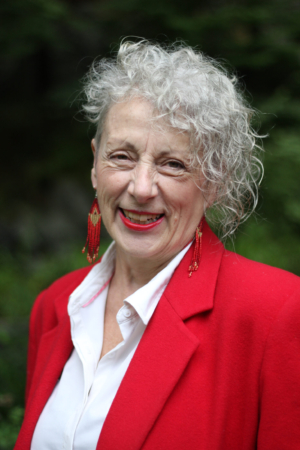
Council candidate Leslie Payne
What specific barriers are you experiencing? We just updated the business licence policy. How can we create a stronger business environment? I am always ready to listen to the creative ideas of the businesses focused on solutions.
Through the city’s involvement in GNED and our strong support of the Chamber of Business, we are already participating in these conversations and working to increase housing and decrease street disorder through increased spending on protective services. As a member of the chamber, I attend the Business After Business meetups every month. I shop local and belong to the local coops that keep our money circulating here.
One of the growth opportunities the city could better support would be mountain biking tourism. At the BC Mountain Biking Roundatable that I attended last week, many communities were talking about developing a similar program to the Powder Highway for skiiers, to bring more dollars into Nelson.
Call me. Email or stop me on the street or in your business. I am open to collaborating. I am invested in the success of our business sector.
Jess Phillips
As a small business owner, I know how much time, energy, and money it takes to keep things running. Local government needs to understand what businesses are trying to accomplish, what is getting in their way, and where the City can make things easier.
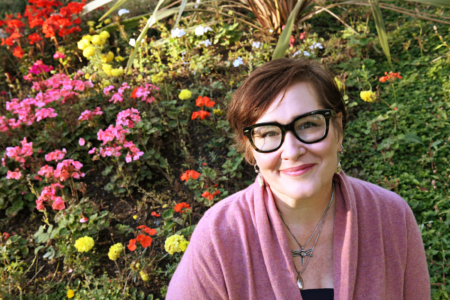
Council candidate Jess Phillips
I want to treat housing, child care and transit as essential supports for our workforce.
I would support more housing options, particularly purpose-built two- and three-bedroom rentals, and work with community partners to find spaces and creative solutions for child care. Businesses need employees who can afford to live here and reliably get to work. I would advocate expanding transit service to better meet the needs of our community and workforce.
I would focus on clear communication, simpler processes, more predictable decisions, measurement, result tracking and careful spending.
I would support reviewing business licensing and permitting with staff and local businesses to identify unnecessary steps, repeated requests for information, and avoidable delays. I want to ensure we take advantage of opportunities to streamline processes and reduce redundancy and cost.
Requirements, fees and expected timelines should be easy to find and understand. Businesses also need advance notice of construction or changes that affect their access and operations.
I would ask how current and proposed City spending, fees and service changes affect small businesses, what benefits they provide, and whether there are more affordable ways to achieve the same goals.
I would also ask for clear measures of progress, such as permit processing times and feedback from local businesses, with regular reviews to see whether changes are reducing delays and costs, and where further adjustments are needed.
I would also support regular conversations with the Chamber and regional partners, with clear follow-up on concerns raised. My approach would be practical: listen, identify what the City can change, and report back on whether those changes are helping.
Martin Stegman
At a foundational level, my initial focus will be to get a strong grasp of the municipal fiscal environment – how our tax base is divided, where fees are collected, what city costs are linked to what services, how the municipal workforce is structured, what our industrial/commercial land base looks like, and how all these factors have changed over time, among others.
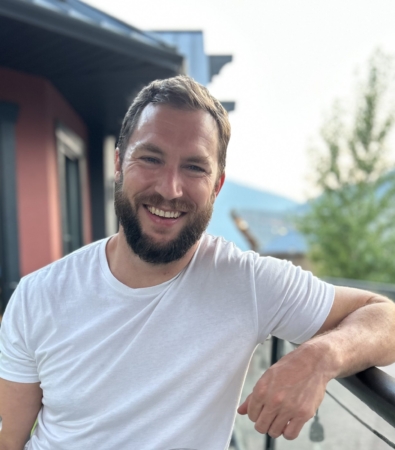
Council candidate Martin Stegman
While this process may reveal opportunities for improvement or questions to ask, it is also a necessary pre-requisite for considering any new proposal to Council and what impacts it will have. I’ll also engage with our businesses to identify the municipal and provincial fees and regulations that they find most troublesome and then explore options to amend municipal ones and advocate for the provincial government to review provincial ones.
I’m a big proponent of taking a risk-based approach to regulation – establishing targeted responses to high-risk scenarios rather than creating blanket regulations that unnecessarily burden everyone, whether they are high risk or not.
On strengthening the business environment, tourism is an area that still has space to grow in my opinion. Tourism business is a low climate-impact way to bring new dollars into our community (similar to exports), rather than recirculating the same money, and our location off the beaten path and strong community identity help mitigate the potential downsides of tourism. One easy option would be to encourage more events during the shoulder season – for example, sporting competitions, science conferences, and arts and literary festivals. I would also explore raising the Municipal and Regional District Tax (MRDT), or hotel room tax, from 2% to 3%, to align with the rate in most other regional communities. Funds gained from the MRDT are only gathered from hotel stays and are used exclusively to support local tourism-related marketing, programs and projects.
Kate Tait
One place to start is by building stronger partnerships with organizations like Community Futures, Columbia Basin Trust, the Economic Trust of the Southern Interior, and our regional tourism and economic development groups.
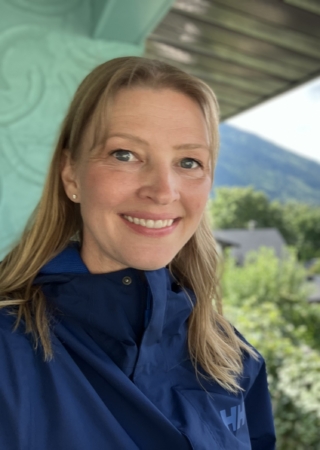
Council candidate Kate Tait
There are already some great grants, business advisory services, and workforce training programs available. Many business owners are too busy running their businesses to spend hours tracking these down. Local government can help connect people to these opportunities and make it easier to access the support that’s already out there.
I also believe investing in reliable infrastructure and initiatives that create an animated, energetic downtown are an investment in our local economy. Any time we can make improvements to transit, parking, public spaces, amenities that attract visitors, or spaces for patios, sidewalk sales, or other events, we help create the conditions for businesses to thrive. When our business community is strong, everyone benefits, including residents, visitors, and employers.
I’ll continue advocating to other levels of government for solutions to some of the biggest challenges facing businesses today: including affordability, housing, workforce shortages, and economic diversification. City Council can’t solve these issues on its own. But we can be a strong partner, a strong voice, and a strong advocate for the businesses that keep our communities vibrant and growing.
Corey Viala
There is no question that it has become more expensive to run a business in Nelson. Wages, supplies, insurance, taxes and utilities have all gone up.
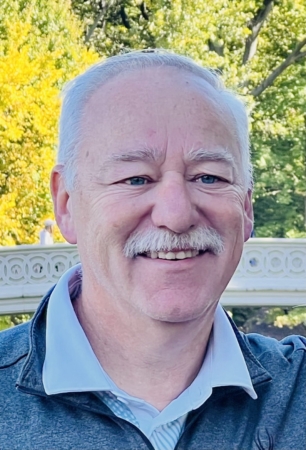
Council candidate Corey Viala
Finding and keeping staff is also difficult when there is not enough affordable housing. The City cannot control all of these costs, but it can control its own taxes, fees, utility rates and some of the approval processes businesses have to deal with. If elected, I would look closely at City spending and whether businesses and residents are getting good value for their tax dollars.
I would also like to look at business licences, building permits and development applications. Are the requirements clear? Are applications taking too long? Are there steps that are not really needed? I do want to hear from businesses that have gone through these processes before deciding what needs to change. The City also needs to continue working with the Chamber, Greater Nelson Economic Development, housing organizations and other levels of government on workforce housing.
Construction is necessary, but it can have a real effect on a business. The City needs to speak with businesses early, maintain access and parking or provide alternatives where possible, and use informative signs to help people reach the affected businesses. Parking is also a concern for people coming into Nelson who do not have another reasonable way to get here. I would support reviewing parking availability, fees and all day parking for employees. I do not expect the City to solve every problem a business faces, but Council needs to listen and avoid creating costs or delays that are not necessary.
Jesse Woodward
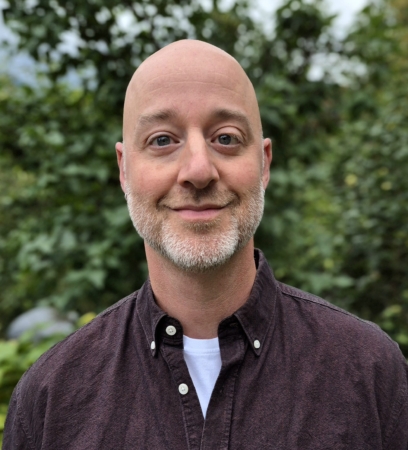
Council candidate Jesse Woodward
A key area that the City has controls over is the look, feel and safety of the downtown core of Nelson. I know the City and Council has worked very hard over this last term to make sure that downtown Nelson is safer and more appealing for locals and visitors which helps to generate more economic activity for our business community. The results of these efforts have been measurable with a reduction of Nelson’s crime index dropping by 23.6% in 2025.
Also continuing to improve lines of communication between the City and the Chamber to deal with arising issues quickly and efficiently is very important. Another key aspect is to make sure that the City continues to promote and support brick and mortar business because the pressure from online sales and services is growing and challenging traditional storefront business models.
Finally, the City could look at what businesses are facing with regards to year over year increasing City business taxation and examine possible ways for the City to reduce some of the impacts of that increasing tax burden.
RDCK Area E
Erin Fitchett
The cost of doing business is the main concern for many small and medium-sized businesses. Local government needs to be conscious of the cumulative impact of taxes, fees, regulations and approval processes. If elected, one of my priorities would be to make sure we are not creating unnecessary barriers for businesses. That means looking carefully at new regulations before they are introduced, asking whether they are really needed, and considering the cost and administrative burden they may place on small businesses.

Area E candidate Erin Fitchett
I would also support efforts to make permitting and development processes clearer, more predictable and as efficient as possible. Businesses should be able to understand what is required of them and have reasonable timelines for decisions.
Greater Nelson Economic Development partnership already brings together the City of Nelson, RDCK Areas E and F, the Nelson & District Chamber of Commerce and Community Futures Central Kootenay. I am currently serving on the Advisory Committee for GNED and would continue working through that partnership to hear directly from local businesses, identify barriers and pursue practical solutions.
Housing is also an economic issue. Employers need workers, and workers need somewhere they can afford to live. I would continue supporting regional discussions around workforce and rental housing and look for opportunities where local government can help remove barriers or advocate for senior-government support.
Finally, I think local government needs to remember that every increase in taxes, fees or regulatory requirements eventually affects residents and businesses. I would approach those decisions carefully and continue asking a simple question: what will this cost, and is the benefit worth it?
Small business is a major part of the character and economy of our rural communities. My goal would be to make it easier not harder for people to start a business, grow a business and continue doing business in Greater Nelson.
Landon Veregin

Area E candidate Landon Veregin
Small and medium-sized businesses drive Greater Nelson’s local economy. As Area E Director, my executive budgets and leading teams gives me a clear understanding of financial discipline and operational efficiency.
To reduce costs and remove barriers over the next four years, I will focus on:
- Streamlining RDCK Bureaucracy: By speaking with local business owners and managers I would listen to identify inefficiencies and perceived barriers. At our quarterly Area E Town Halls, local businesses would have opportunities to raise concerns and identify opportunities.
- Economic Collaboration: Partnering directly with the Chamber and the Nelson and Area Economic Development Partnership (NAEDP) to support local business growth, retain regional talent, and protect vital infrastructure—like reliable ferry and road corridors—that connects our Area E rural businesses to Greater Nelson’s commercial core.
Learn more about the Nelson & District Chamber of Commerce here.